The Psychology of Flowers: How They Affect Mood and Work Performance
Fresh flowers can positively influence mood, stress levels, creativity, and workplace focus. Through colour, scent, natural symmetry, and biophilic design, flowers create calmer indoor spaces and support emotional wellbeing in homes, offices, reception areas, and work desks.
Why Flowers Influence How We Feel and Work
The psychology of flowers explains why fresh blooms can make a space feel calmer, happier, and more focused. Flowers affect mood through colour, scent, shape, and our natural connection with nature. In offices, homes, reception areas, and work desks, the right flower arrangement can support emotional wellbeing, reduce visual stress, and create a more positive environment.
Both modern psychology and environmental psychology recognizes the human response to the natural world and specifically floral designs. The psychology of flowers is directly related to biophilic design principles, where elements from the natural world are incorporated into indoor spaces. Regular contact with flowers tends to contribute to mental equilibrium, less stress, and better emotional stability in humans.
The connection between flowers and mood is not an assumption but rather is influenced by how the brain processes color, form, and floral scents. It provides a boost for a person’s emotional state, allowing them to be more focused, active, and tranquil throughout their day.
What Is the Psychology of Flowers?
The psychology of flowers is the study of how flowers influence human emotions, behaviour, memory, focus, and perception. Fresh flowers can make people feel relaxed, welcomed, energised, or comforted because the brain responds naturally to colour, symmetry, fragrance, and signs of growth.
Why Humans Respond Emotionally to Flowers
Let’s dive in and understand why we’re wired to love fresh flowers. What Makes Us React To Flowers On An Emotional Level?
Connection with nature: The mere presence of nature is often perceived as a sign of security and safety for our psyche.
Brain activation: Flowers contain vibrant colors which in turn stimulate the emotional centers in our brains.
Natural symmetry: We find it pleasing to look at natural, symmetrically formed patterns because our brains don’t have to work hard to process it, leading to mental relaxation.
Aromatic trigger: The fragrance of the flowers can often trigger emotions and memories.
Stress reduction: Interacting with fresh flowers can significantly induce our body’s relaxation response.
So the next time you wonder why you feel a mood boost after seeing or interacting with fresh flowers, it’s a combination of these factors working their magic! This is why you find both corporate offices and homes are adorned with flowers.
The Science Behind Flowers and Mood
Flowers do more than make a space look beautiful — they can also change how people feel and work. Research in workplace wellness and environmental psychology shows that fresh flowers can support a better mood, reduce stress, and make indoor spaces feel calmer. Rutgers behavioural research found that flowers can encourage happiness, life satisfaction, and positive social interaction, while Texas A&M workplace research connects flowers and plants with better creative thinking and problem-solving. This is why adding flowers to homes, offices, desks, or reception areas can create a more positive and focused environment.
Flowers and Positive Emotions
The fresh flowers boost feelings of happiness and emotional well-being, and the visual appeal triggers the brain’s pleasure centers. It enhances emotional well-being and it helps people feel happier and more relaxed.
Flowers, Stress Reduction, and Mental Calm
One of the strongest findings in the psychology of flowers is their ability to reduce stress. Flowers in indoor spaces help lower mental fatigue and create a calming atmosphere. This is why flowers for stress relief are widely used in homes, offices, and wellness spaces.
Why Nature Indoors Supports Emotional Well-Being
When we bring nature into our lives by bringing in office flowers, we are essentially practicing biophilic design – an approach that promotes clarity and emotional well-being. When employees work in spaces that feature flowers, they feel calmer, more focused, and less stressed. This is an effective way to promote workplace wellness and increase an employee’s feeling of comfort.
The connection between flowers and moods is a scientifically proven strategy for fostering greater emotional well-being in everyday life.
How Flower Colors Affect Mood
Color plays a powerful role in emotional perception. The psychology of flowers shows that different colors trigger different psychological responses, influencing energy, calmness, or creativity. This is known as flower colors and mood influence.
Yellow Flowers for Energy and Optimism
Thinking about boosting energy and optimism in your home or office? Yellow flowers might be just what you need. Here’s why:
They help increase energy and mental sharpness.
These yellow flowers can lift your spirits and bring on more positive vibes.
They promote communication within workplaces.
They work especially well in creative spaces.
Red Flowers for Stimulation and Warmth
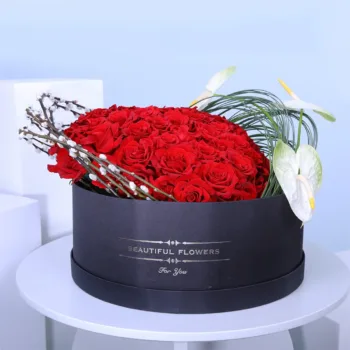
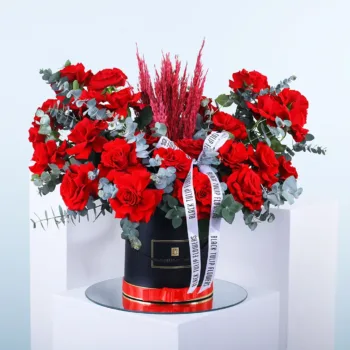
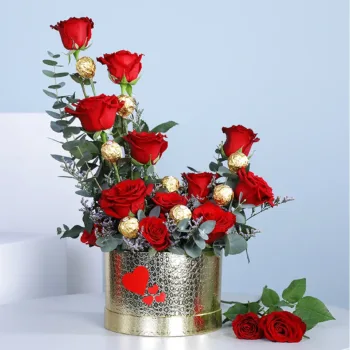
Ready to add a little drama to your life, or just create a more welcoming vibe? Red flowers are just the trick. They’re known for generating a surge of passion and emotional power.
Here’s why you might want to choose red blooms:
- Boost enthusiasm and desire.
- Sharpen your focus and attention.
- Generate a warm and inviting environment.
- The perfect addition to your reception area
White Flowers for Calm and Simplicity
Looking for some peace and clarity? White flowers can help. Here’s why:
They’ll ease your mind.
They contribute to a clean, simple space.
They can help you concentrate.
They’re the perfect option for an office.
Pink, Purple, and Blue Flowers for Softness and Relaxation
To help you find your zen and spark your creativity, these colors are ideal.
Pink: Think warmth and comfort.
Purple: Let your imagination run wild!
Blue: The ultimate way to unwind and de-stress your mind.
Understanding flower colors and mood helps businesses choose the right mood-boosting flowers for different environments.
How Flowers Improve Work Performance
The connection between flowers and productivity is well-documented in workplace studies. Offices that incorporate office flowers often report better employee satisfaction, improved focus, and increased efficiency.
Workplace Benefit | How Flowers Help | Impact on Employees |
Better Focus | Natural elements reduce distractions | Improved concentration |
Creativity Boost | Colors stimulate imagination | Enhanced problem-solving |
Reduced Fatigue | Visual relaxation reduces mental strain | Sustained energy levels |
Positive Atmosphere | Flowers improve emotional tone | Better teamwork and morale |
Best Flowers for Different Workplace Goals
Here are some flower suggestions based on your office needs:
For Stress Relief: Lilies, chamomile, and lavender are great picks to de-stress.
For Better Focus: Try out white roses, orchids, or tulips.
For Creativity: Sunflowers and gerbera daisies can spark some innovative thinking.
For the Reception Area/Meeting Room: A colorful arrangement of seasonal flowers.
These mood-boosting flowers help align emotional impact with business goals.
Practical Ways to Use Flowers in the Workplace
Here are some ways to bring a bit of life into your office with the beauty of flowers:
Desk Arrangements
Small office flowers on your desk can really make a difference. Not only can they boost your focus, but they can also have a positive effect on your mood. For desks, choose compact arrangements that do not block screen space.
Reception and Waiting Areas
The first impression is a lasting impression, especially for customers. A beautiful arrangement at your reception or in your waiting room can really set the tone and positively reflect your brand.For reception desks, choose fuller arrangements that match the brand’s colour palette and create a strong first impression.
Meeting Rooms and Break Rooms
The presence of flowers in the workplace can encourage better communication and alleviate stress in meeting rooms. They also make break rooms a more welcoming and enjoyable place to unwind.For meeting rooms, use low vase arrangements so people can see each other clearly.
-

Deep Purple Pink Rose Duo Bunch
QAR 249.00 -

Blush Harmony Vase
QAR 259.00 -

Pink Serenity Vase
QAR 199.00 -

Bunch of Peach Roses
QAR 350.00 – QAR 550.00Price range: QAR 350.00 through QAR 550.00
Weekly or Seasonal Flower Rotations
Freshening up your office space with fresh flowers each week or seasonally will keep things interesting and visually appealing for both your employees and clients.
Common Mistakes to Avoid
Choosing Strong Scents
Overpowering fragrances can reduce concentration.Choose low-scent flowers for desks, meeting rooms, and shared office spaces.
Ignoring Allergies
Some employees may be sensitive to pollen or scent-heavy flowers. Use cleaner, low-pollen flowers and avoid heavily scented arrangements in closed rooms.
Using the Wrong Colors for the Space
Poor color choices can disrupt the intended emotional impact. Choose flower colours based on the mood of the space — soft whites and blues for calm areas, yellow and orange flowers for energy, and mixed seasonal flowers for welcoming spaces.
Forgetting Maintenance
Wilted flowers reduce the positive effects of flowers and mood. For example, dried petals on a reception desk or cloudy vase water in a meeting room can create the wrong impression. Refresh the water, remove faded blooms, trim stems, and replace fresh flowers regularly to keep the arrangement looking clean, healthy, and uplifting.
Expert Tips for Choosing Mood-Boosting Flowers
Match the Flower to the Emotion You Want to Create
- Calm environments: white and blue flowers
- Energetic spaces: yellow and red flowers
- Creative zones: purple and mixed arrangements
Consider Color, Fragrance, Size, and Placement
- Balance scent intensity
- Choose appropriate vase sizes
- Match flowers with interior lighting
Refresh Flowers Regularly for Maximum Impact
- Replace fresh flowers weekly
- Rotate seasonal arrangements
- Maintain consistent visual appeal
Conclusion: Flowers Are More Than Decoration
Flowers are more than decoration. They can shape how a space feels, how people respond emotionally, and how comfortable a workplace becomes. By choosing the right colours, flower types, fragrance levels, and placement, businesses and homes can use fresh flowers to create calmer, brighter, and more inspiring environments. Explore fresh flower arrangements designed to bring beauty, balance, and positive energy into your space.
Frequently Asked Questions
Yes, the psychology of flowers shows that exposure to natural blooms improves emotional wellbeing, reduces stress, and enhances positivity.
Orchids, tulips, and sunflowers are among the best flowers for productivity due to their uplifting and focus-enhancing properties.
White and blue flowers are most effective for relaxation and flowers for stress relief.
Yes, office flowers improve concentration, reduce stress, and enhance daily motivation.
For best results, fresh flowers should be refreshed weekly to maintain their emotional and visual benefits.
Flowers affect the brain through colour, scent, shape, and the natural feeling they bring into a space. A bright bunch of flowers can feel cheerful, while soft white or blue flowers can make a room feel calmer. The effect also depends on the flower type, fragrance, setting, and the memories people connect with those flowers.
Yes, flowers can help make a workplace feel calmer and more refreshing. A simple desk arrangement, fresh flowers in a meeting room, or a welcoming floral display in the reception area can soften the space and give people a small visual break from screens, pressure, and daily work routines.
Yellow, orange, pink, and colourful mixed flowers are often linked with a cheerful and uplifting mood. Yellow flowers, especially sunflowers, yellow roses, and gerberas, can make homes and workspaces feel brighter, warmer, and more positive