Why Are Flowers Important to Humans, and the Environment
Flowers are important to humans because they support emotional well-being, help us express feelings, and strengthen social connections. They are equally important to the environment, where they support pollination, plant reproduction, biodiversity and healthy ecosystems. From gifting flowers for birthdays and anniversaries to providing food for bees and other pollinators, flowers play both an emotional and ecological role in everyday life.
Flowers are important in our lives. They add colour and variety to our surroundings and are essential for plant reproduction. Flowers attract pollinators and help plants produce and protect seeds to ensure that plants can grow in the future. Sending flowers allows us to express our feelings, which can improve the emotional well-being of the recipients. Research shows a strong link between nature and happiness, which highlights how important flowers are for a happy and fulfilling life.
1. Why Are Flowers Important to Humans?
Flowers can influence how a space feels, help people express emotions and make meaningful occasions more memorable. They are commonly used to communicate love, gratitude, sympathy, congratulations and care when words alone may not feel enough.
Research supports the idea that being around flowers can really boost our mood. Studies show that spending time in nature, including with flowers, has health benefits, such as a lower risk of heart disease and better mental health.
2. How Can Flowers Support Mood and Wellbeing?
Being around flowers and natural elements can help create a calmer and more pleasant environment. Bright colours, fragrance and the act of giving or receiving flowers may contribute to positive emotions, relaxation and a stronger sense of connection. Flowers should not be presented as a treatment for anxiety or other health conditions, but they can form part of an uplifting and comforting environment.
3. Why Does the Scent of Flowers Affect Mood?
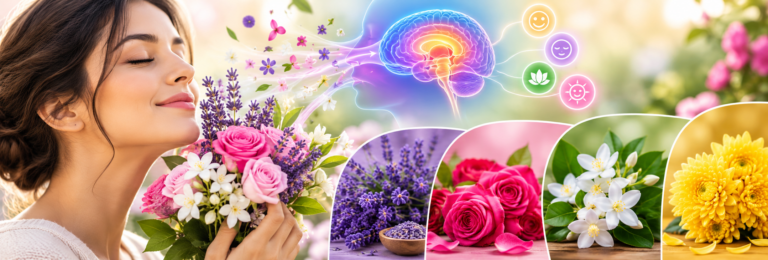
Floral scents are closely linked with memory and emotion because smell is processed by areas of the brain involved in emotional responses. Familiar fragrances such as rose, jasmine and lavender can therefore feel calming, comforting or uplifting depending on personal associations.
4. How does Scent affect mood?
Scents significantly impact our emotions and can energize us. The olfactory system processes smells and sends signals to the brain, while the limbic system links these scents to past emotions, allowing us to intentionally influence our moods with fragrances. The scents of flowers like lavender and roses can lower stress by reducing cortisol levels. Nature offers many flowers known to enhance mood: Lavender alleviates anxiety, Roses evoke happiness, Jasmine promotes relaxation, and Chrysanthemums can brighten your spirits even more than chocolate.
5. How Flowers Strengthen Social Connections
Flowers are commonly given for birthdays, anniversaries, weddings, and during difficult times, as they convey thoughtfulness succinctly. A bouquet can express affection, gratitude, sympathy, or encouragement, making important moments feel more personal. They strengthen friendships and connections, fostering kindness and compassion, and their beauty and scent evoke positive feelings, enhancing relationships.
6. Can Flowers Help Create a Calming Home Environment?
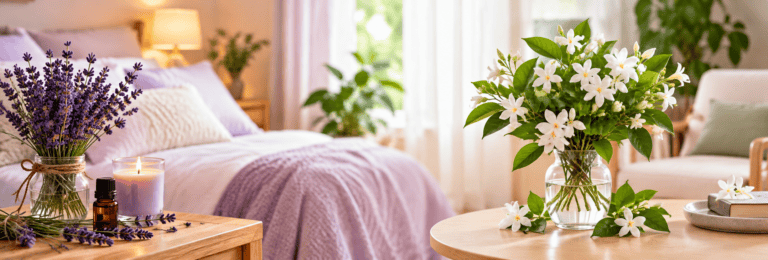
Flowers and plants can make bedrooms and living spaces feel calmer and more welcoming. Fragrant varieties may also contribute to a relaxing atmosphere, although individual responses to scent vary. Lavender aids in sleep through aromatherapy, while jasmine boosts alertness and reduces restlessness. Both contribute to overall well-being.
7. Improve Non-Verbal Communication
Flowers communicate emotions and strengthen connections without even saying a word. The only thing you have to be careful of is choosing the flowers according to the situation and to the relationship to whom you are sending them because selection and arrangement can express specific sentiments.
Choosing birthday flowers is super easy. All you ought to do is to know the flower of the month, and you can simply buy them. For example, you can give Carnations to January born.
Which Flowers Are Commonly Associated With Happiness?
Bright and colourful flowers are often chosen when the aim is to create an uplifting or cheerful feeling.
Sunflowers: Associated with warmth, positivity and energy.
Roses: Pink and yellow roses are often chosen for appreciation, friendship and cheerful gifting.
Peonies: Popular for their soft appearance and associations with happiness and prosperity.
Gerberas: Known for bright colours that suit birthdays, congratulations and cheerful surprises.
Flower colour can also influence the mood of an arrangement. Yellow and orange feel energetic, while softer whites, blues and pastels can create a calmer look.
The colors of flowers can significantly affect our emotions. Leatrice Eiseman from the Pantone Colour Institute notes that our response to color is deeply emotional, making flowers catalysts for various feelings. For instance, red symbolizes love and passion while also providing energy and upliftment, similar to yellow. In contrast, colors like blue and white promote calmness.
Flowers produce nectar and pollen that attract bees, butterflies, birds and other pollinators. As these animals move between flowers, they help plants reproduce and produce seeds and fruit.
2. Supporting Biodiversity
Flowering plants provide food and habitat for insects, birds and other wildlife. A greater variety of flowering plants can help support a more diverse ecosystem.
3. Food Production
Many fruits, vegetables, nuts and seeds depend partly or fully on pollination. Flowering plants therefore play an important role in food systems as well as natural ecosystems.
4. Soil and Habitat Support
Flowering plants can help protect soil, provide ground cover and support microorganisms and insects that contribute to healthy ecosystems.
Bottom Line
In today’s fast-paced world, sending or receiving flowers can boost happiness and well-being. Online flower delivery services and local shops in Qatar make it easy to spread joy. Flowers provide emotional comfort, support pollinators, and enhance biodiversity. Their vibrant colours and therapeutic effects significantly impact our well-being. Whether decorating your home, cultivating a garden, or gifting blooms, flowers elevate our spirits and spread positivity.
Flowers can improve the atmosphere of a space, help people express emotions and strengthen personal connections. They are commonly used to celebrate milestones, show gratitude, offer comfort and communicate affection.
Different flowering plants support different insects, birds and other wildlife. A diverse range of flowers can therefore help support a healthier and more varied ecosystem.
Flowers help communicate feelings such as love, gratitude, sympathy, congratulations and care. They are an easy way to make personal occasions feel more meaningful. Birthday flowers and anniversary flowers are popular choices for making personal occasions feel more meaningful.
Sunflowers, gerberas, yellow roses and colourful mixed bouquets are commonly associated with cheerful, positive emotions because of their bright colours and appearance. Sunflower bouquets are especially popular for bright and uplifting gifting.
Without flowering plants, many pollinators would lose important food sources, plant reproduction would decline and many ecosystems and food crops would be affected.
Flowers can help create a more pleasant and uplifting environment, especially because of their colour, fragrance and emotional associations. However, they should not be presented as a medical treatment.
Pink roses, lilies, gerberas, orchids and mixed bouquets are popular choices for expressing appreciation and gratitude. . For a more elegant option, rose bouquets work well for both personal and formal gifting.